Educational and conversational. Authentic, playful and positive. Gender-neutral and all-inclusive.
October 15, 2024
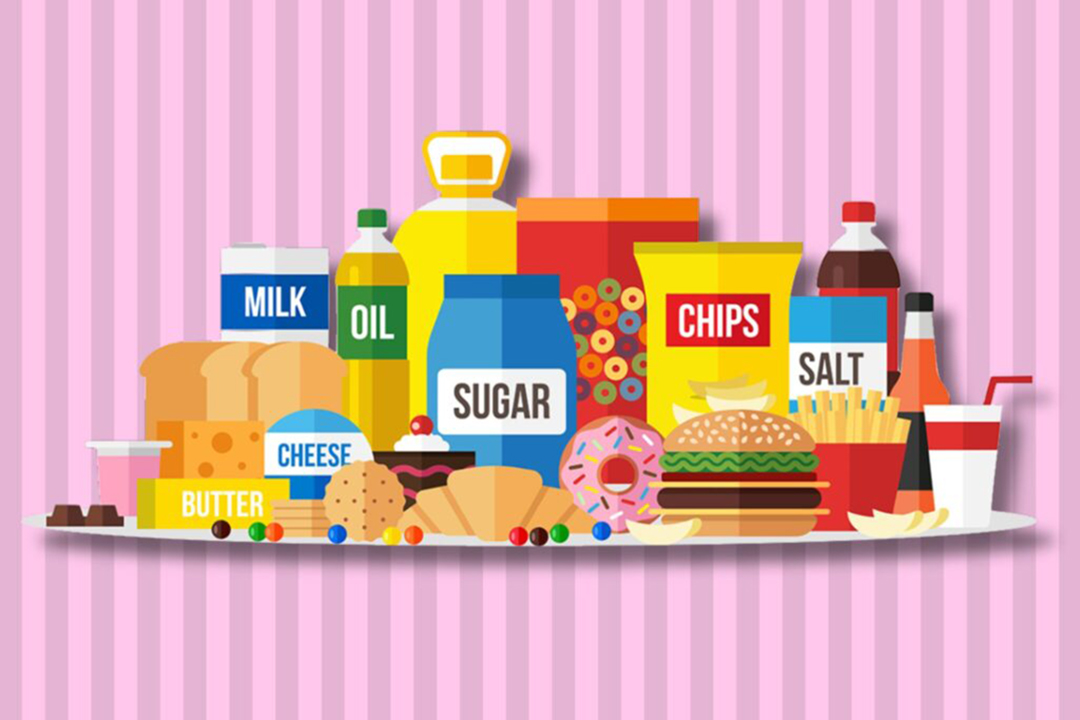
VLOG: How to Avoid Ultra-Processed Foods and Boost Your Metabolism
In this video, Dr. Gajer breaks down the impact of ultra-processed foods on your health and metabolism—and what you should be eating instead. If you're looking to lose weight, maintain a healthy weight, or improve your overall well-being, this guide will help you make smarter food choices.
Over the past 75 years, research has uncovered a troubling trend: men’s testosterone levels have been steadily declining, with modern men showing significantly lower levels than their fathers and grandfathers. This hormonal shift has real consequences for men’s health, from muscle mass and energy levels to mood, libido, and long-term well-being. So why is this happening, and what can you do to protect your testosterone levels?
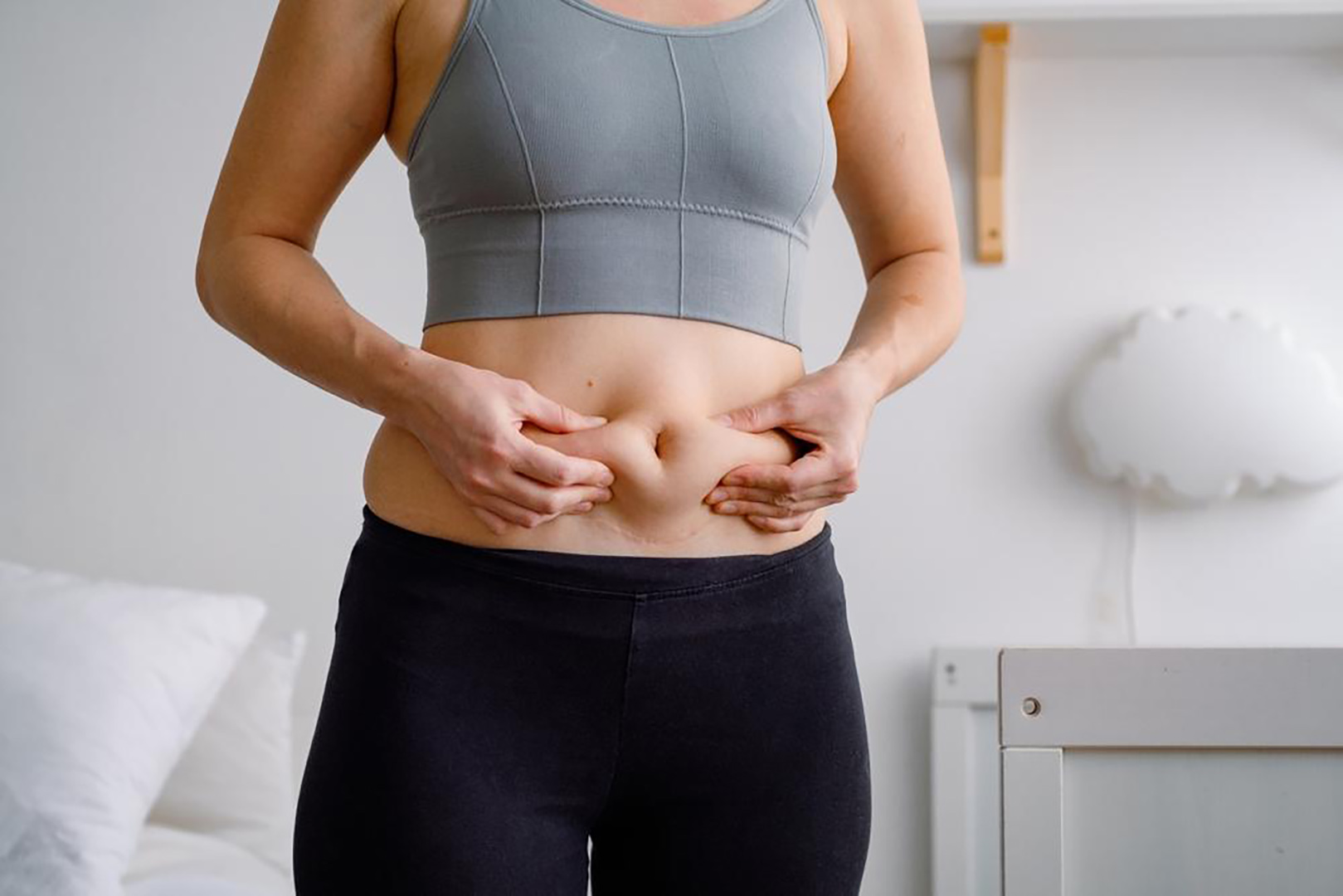
As women transition into menopause, one of the most common concerns I hear from patients is about an increase in abdominal weight gain, often referred to as "meno-belly." This shift can feel frustrating, especially for those who have maintained healthy habits, only to find that their bodies are now storing fat in new and stubborn areas. I want to reassure you that you are not alone—this is something we address frequently in our practice, and there are effective ways to manage it.
I’m thrilled to announce some exciting upgrades to the Gajer Weight Loss Program! After months of research, I’ve distilled the most up-to-date and effective strategies for metabolic repair and the treatment of obesity and overweight into an all-new Online Handbook. This comprehensive guide has completely elevated our program, making it more user-friendly, personalized, and accessible.
In this video, Dr. Gajer dives deep into the root causes of the obesity epidemic and why simply counting calories is not the solution. While "calories in, calories out" was a popular theory in the 1970s, it overlooks critical factors like metabolism, insulin resistance, inflammation, and hormonal imbalances that play major roles in weight gain.
Is Alzheimer’s Disease Type 3 Diabetes? What You Can Do to Protect Your Brain Health
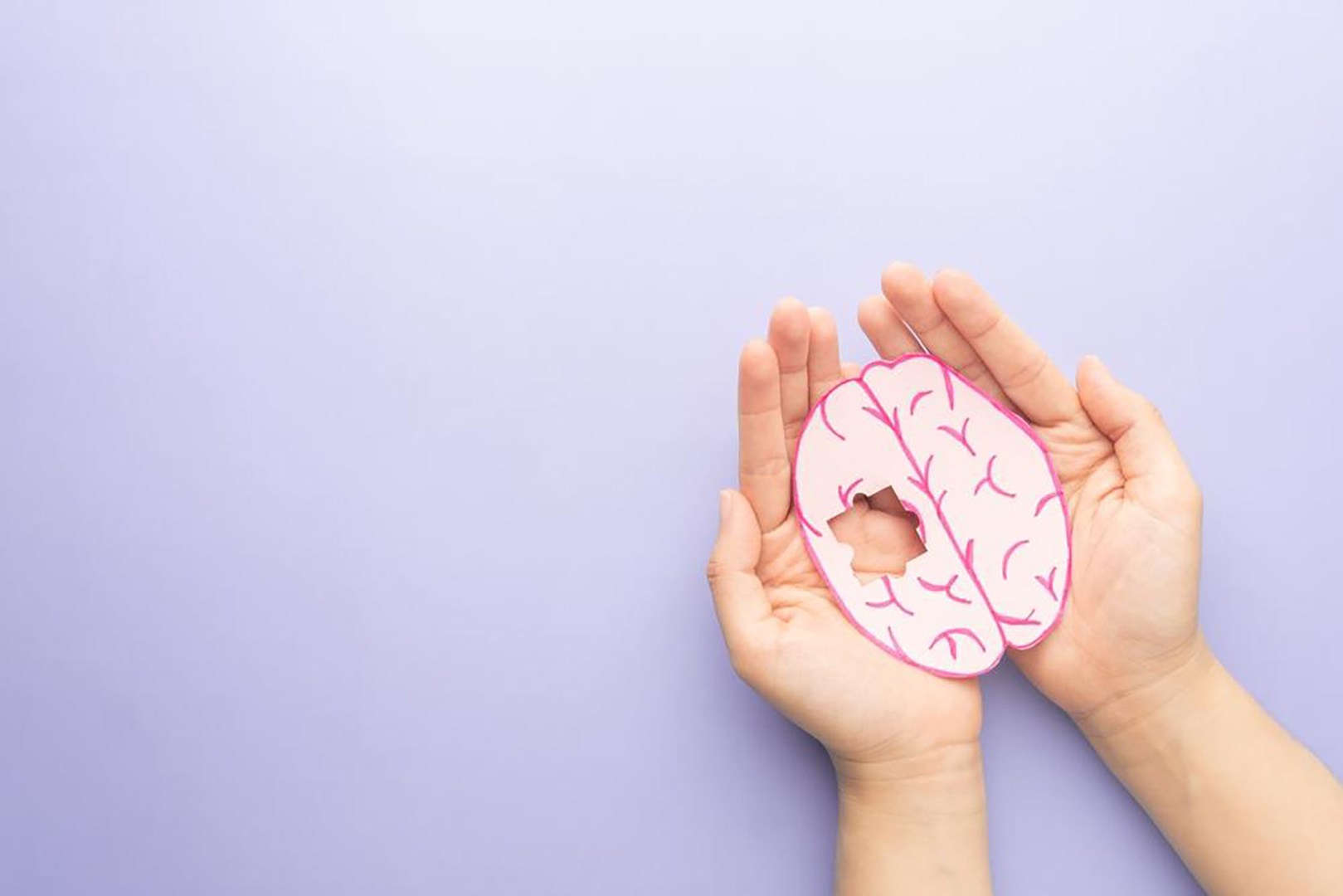
There’s an emerging field of research that’s shedding new light on Alzheimer’s disease—and it may have a lot to do with insulin resistance. Some researchers are now referring to Alzheimer’s as “Type 3 diabetes” because it appears to be strongly linked to the way our brain uses glucose, much like Type 2 diabetes impacts the body.
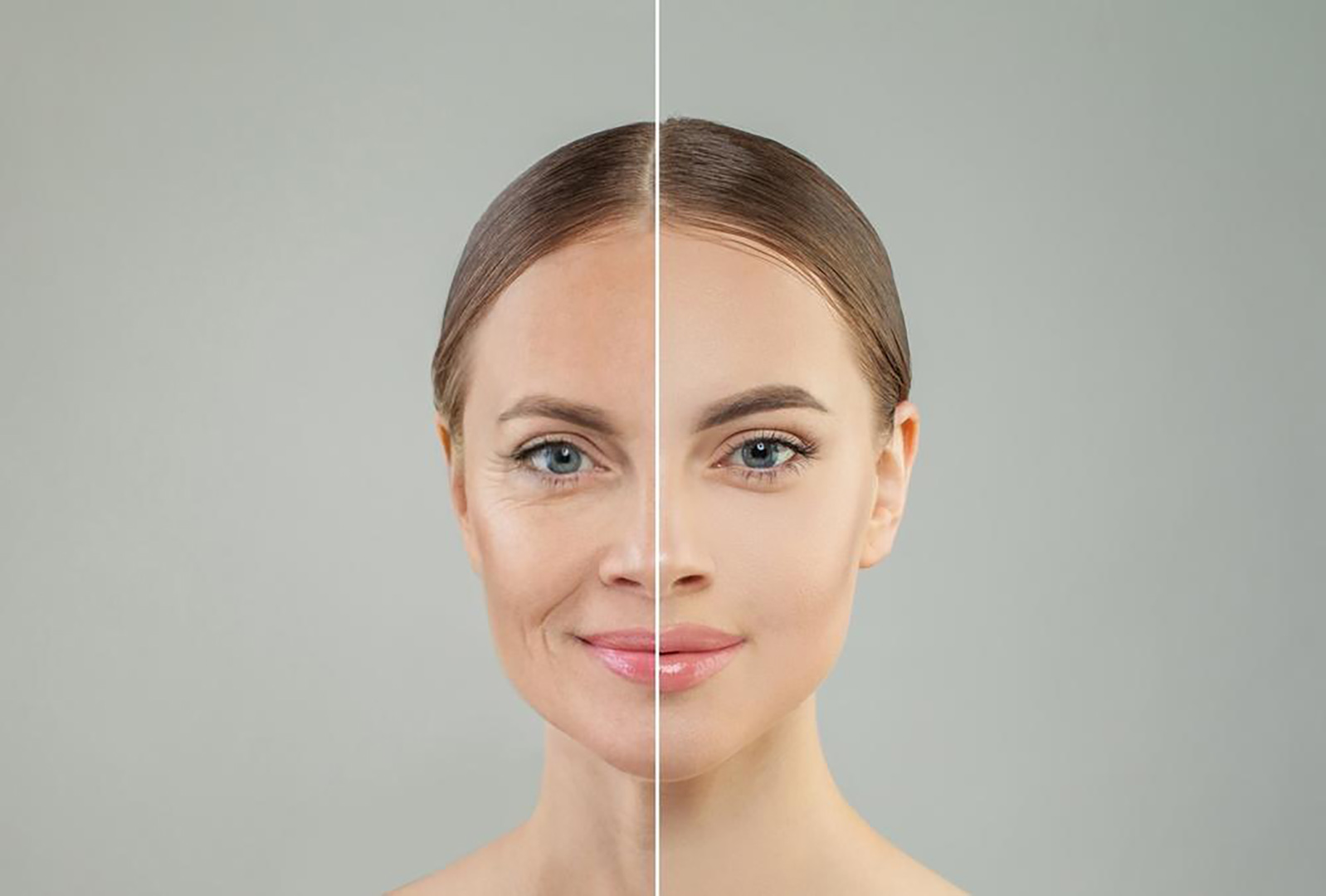
Aging Acceleration At 44 and 60 and How to Slow It Down
As we age, the visible signs of time—such as sagging skin, wrinkles, and loss of elasticity—begin to accelerate, particularly around the ages of 44 and 60. Research shows that these specific windows mark significant shifts in our biology, leading to faster aging of the skin and other tissues. But the good news is that we can take proactive steps to prevent these big jumps in visible aging.
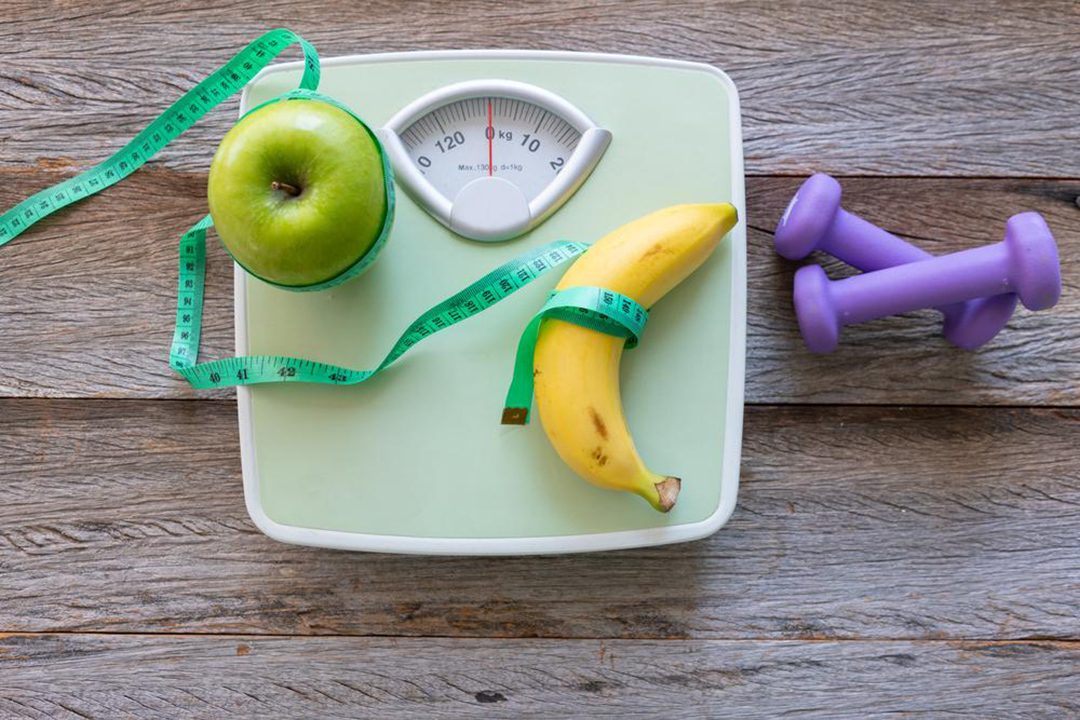
In this video, Dr. Gajer shares tips for weight loss, even if you're eating healthy. Discover why your weight loss efforts might be stalled and learn two effective strategies to get back on track.
Today we are shifting gears from our health content and would like to highlight the team that makes it all happen at The Gajer Practice. They are working endlessly behind the scenes to support and help our patients achieve their health goals.
Today we are shifting gears from our health content and would like to highlight the team that makes it all happen at The Gajer Practice. They are working endlessly behind the scenes to support and help our patients achieve their health goals.
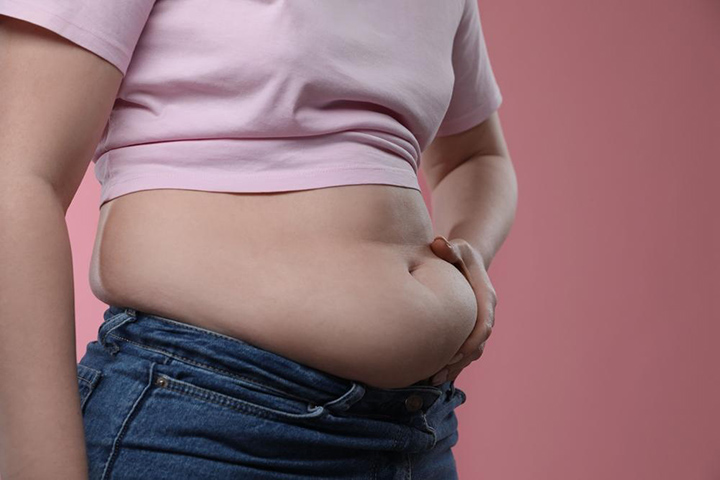
MenoBelly: Understanding and Combating Abdominal Fat During Menopause
For many women, the transition into menopause brings a host of physical changes, and one of the most common—and frustrating—is the development of abdominal fat, often referred to as "Menobelly." Even women who have never struggled with weight gain may find themselves dealing with a thicker waistline during this stage of life. But why does this happen, and what can be done about it?
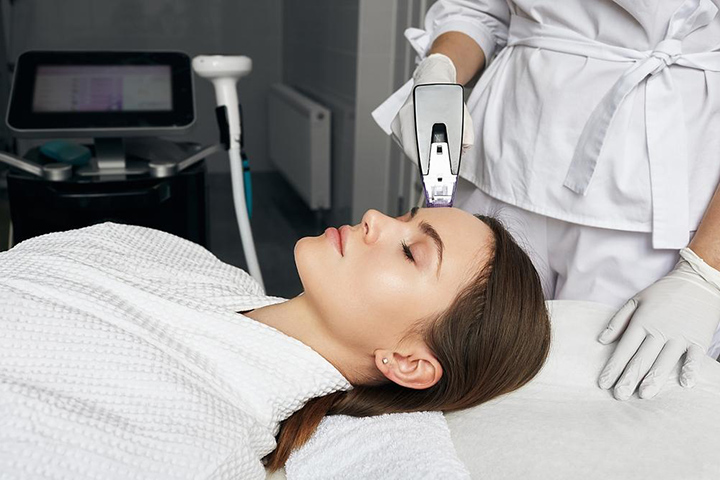
As we age, our skin naturally loses its elasticity and firmness, leading to sagging and wrinkles. While this is a normal part of the aging process, many people seek ways to tighten and rejuvenate their skin to maintain a youthful appearance.