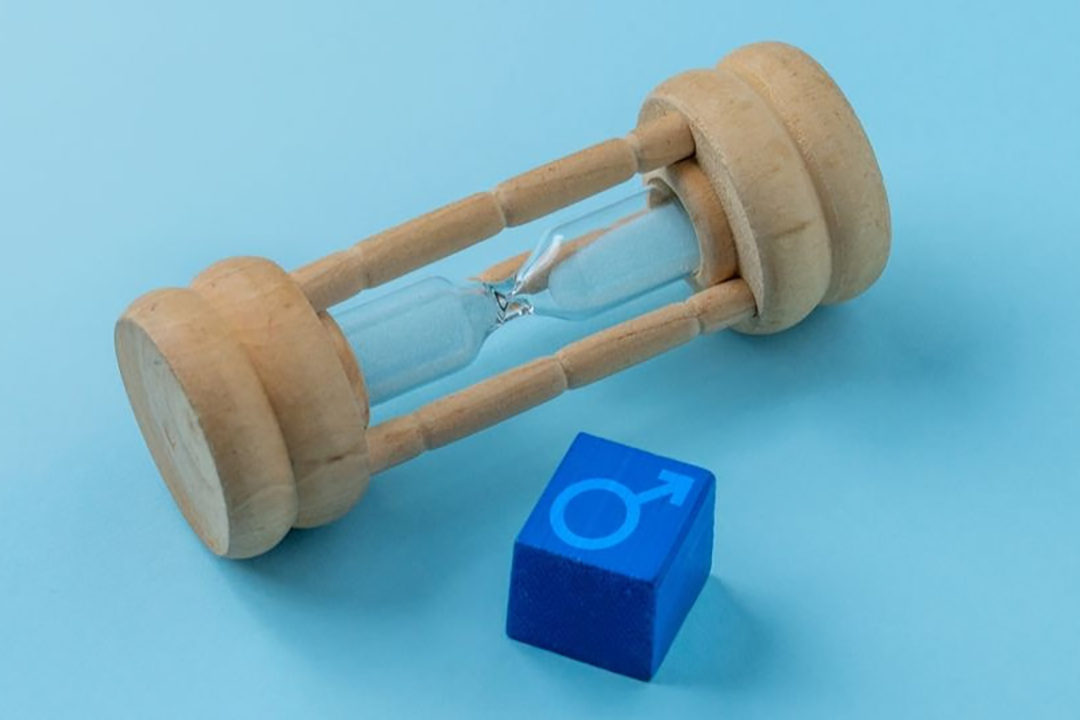
Over the past 75 years, research has uncovered a troubling trend: men’s testosterone levels have been steadily declining, with modern men showing significantly lower levels than their fathers and grandfathers. This hormonal shift has real consequences for men’s health, from muscle mass and energy levels to mood, libido, and long-term well-being. So why is this happening, and what can you do to protect your testosterone levels?
What the Research Says
- Studies over the last few decades have shown a clear and consistent drop in men’s testosterone. In fact, one study published in the Journal of Clinical Endocrinology & Metabolism found that men’s average testosterone levels have declined by about 1% per year over several decades. For example, a 50-year-old man today has lower testosterone than a 50-year-old man in the 1980s.
- A 2020 study from Denmark confirmed that today’s men, even younger men, have lower testosterone compared to previous generations at the same age. So why the decline?
Why Testosterone Is Dropping
- There are a number of factors contributing to this decline, many of which are tied to modern lifestyle changes:
1. Obesity and Inactivity: As obesity rates climb, testosterone levels have dropped. Excess body fat, especially around the abdomen, increases an enzyme that converts testosterone into estrogen, lowering testosterone even more. Pair that with less physical activity—especially less resistance training—and the body’s ability to produce testosterone takes a hit.
2. Environmental Toxins: We are exposed to more chemicals in our environment than ever before, particularly endocrine disruptors like BPA, phthalates, and pesticides. These chemicals interfere with hormone production, mimicking estrogen and leading to lower testosterone levels.
3. Diet: Modern diets high in processed foods and sugar have contributed to a rise in insulin resistance, inflammation, and metabolic issues—all of which can lower testosterone. On top of that, many men aren’t getting enough zinc, vitamin D, or healthy fats, which are critical for testosterone production.
4. Stress and Sleep: Chronic stress leads to increased cortisol, a hormone that directly suppresses testosterone. Poor sleep or conditions like sleep apnea can also lower testosterone levels, as the body primarily produces testosterone during REM sleep.
5. Medical Conditions and Medications: Conditions like type 2 diabetes, metabolic syndrome, and heart disease—all on the rise—are linked to low testosterone. Certain medications, including opioids and statins, have also been shown to reduce testosterone.
Why It Matters
- Testosterone is critical for men’s health. It influences everything from muscle mass and bone density to libido, mood, and even cognitive function. As testosterone levels decline, men may notice a reduction in energy, strength, and motivation, along with increased body fat and a higher risk of conditions like depression, heart disease, and infertility.
How You Can Support Healthy Testosterone
- The good news is that there are steps you can take to maintain healthy testosterone levels and protect your long-term health:
1. Maintain a Healthy Weight: Reducing excess body fat, particularly around the midsection, can have a positive impact on testosterone.
2. Exercise Regularly: Strength training and high-intensity interval training (HIIT) are particularly effective in boosting testosterone levels.
3. Reduce Toxin Exposure: Limit your exposure to plastics and chemicals like BPA and phthalates by opting for glass or stainless steel containers and avoiding processed foods.
4. Eat Nutrient-Dense Foods: Focus on a diet rich in whole foods, healthy fats, and micronutrients like zinc, magnesium, and vitamin D—all essential for testosterone production.
5. Prioritize Sleep and Stress Management: Aim for at least 7-8 hours of quality sleep each night, and find ways to manage stress, whether through exercise, meditation, or mindfulness.
6. Stay Proactive About Health: Regular check-ups and lab work can help you monitor testosterone levels and identify any underlying health conditions that could be affecting your hormones.
Next Steps
- If you’re experiencing symptoms of low testosterone—such as fatigue, low libido, or difficulty building muscle—it may be time to take a closer look at your hormone health. At the Gajer Practice, we take a root-cause approach to wellness, helping you get to the bottom of what’s affecting your testosterone levels and creating a personalized plan to restore balance.
Reach out to schedule a consultation, and let’s start optimizing your health for the long term.
Dr. Aleksandra Gajer & The Gajer Practice Team