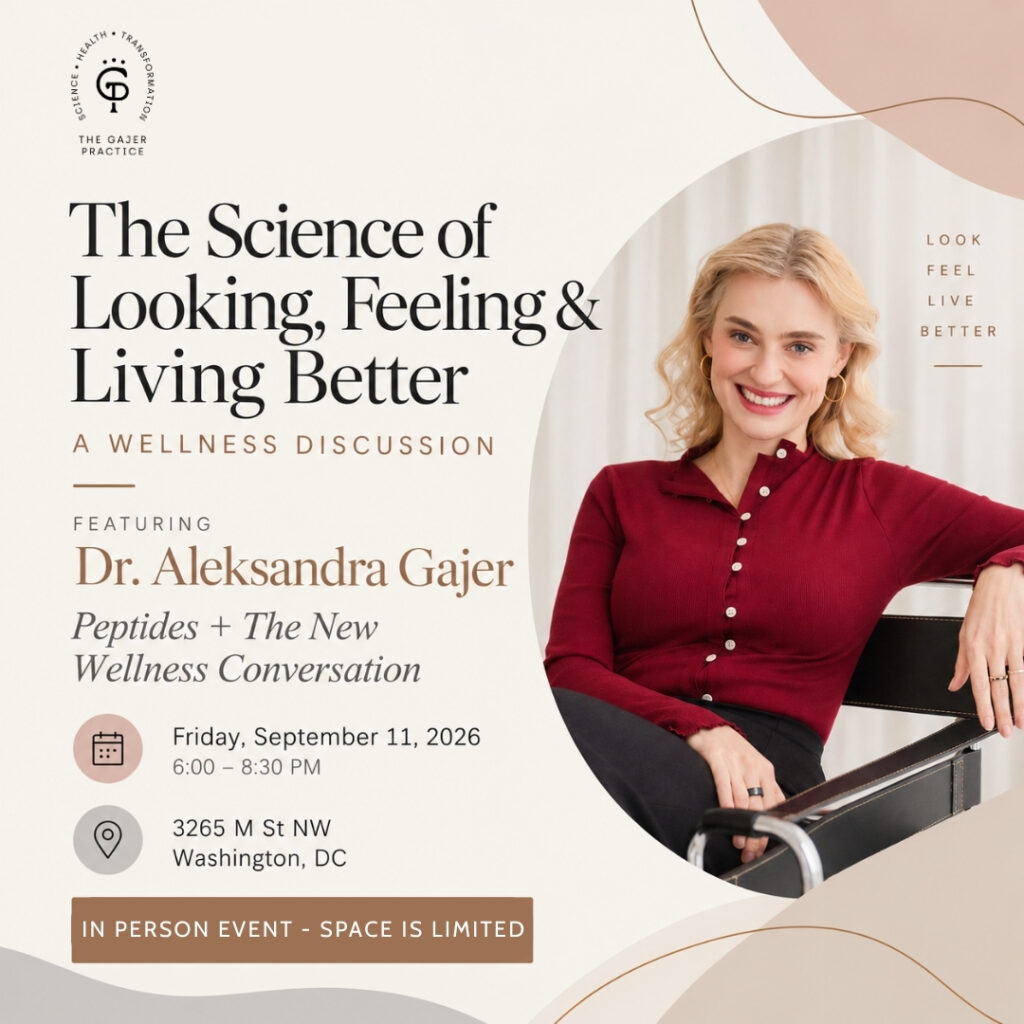
Dear readers,
In my years of practice, I’ve noticed that men often receive less nuanced healthcare information than women. While women’s health has rightfully received increased attention and specialized care, men’s health often remains oversimplified and clouded by persistent myths. These misconceptions can prevent men from seeking appropriate care and addressing issues that significantly impact their quality of life.
Today, I’m tackling three of the most damaging myths I encounter in my practice that continue to harm men’s health outcomes.
Myth #1: “Men Don’t Experience Hormonal Imbalances”
Perhaps the most pervasive myth is that hormonal issues are exclusively women’s concerns. When a man experiences fatigue, weight gain, mood changes, or decreased libido, hormonal factors are often the last to be investigated—if they’re considered at all.
The Reality: Men absolutely experience hormonal fluctuations and imbalances throughout their lives. Testosterone doesn’t simply remain steady until suddenly dropping off a cliff in older age. Many men experience gradual declines beginning in their 30s, while others may have more dramatic drops due to specific health conditions.
Beyond testosterone, men’s health is influenced by a complex interplay of hormones including:
- Estrogen (yes, men need appropriate levels too)
- Thyroid hormones
- Cortisol (stress hormone)
- Insulin and metabolic hormones
- Growth hormone
- Prolactin
In my practice, I’ve seen countless men suffering needlessly with symptoms like brain fog, reduced muscle mass, increased body fat, and mood disturbances—all stemming from unaddressed hormonal imbalances.
What I tell my patients: Any significant change in energy, body composition, mood, or sexual function warrants a thorough hormonal evaluation. Don’t accept “you’re just getting older” as the only explanation. Comprehensive testing can identify specific imbalances that often respond well to targeted interventions, from lifestyle modifications to appropriate hormone optimization when indicated.
Myth #2: “Erectile Dysfunction Is Just Part of Aging”
Many men have been conditioned to believe that erectile dysfunction (ED) is an inevitable part of growing older—something to simply accept rather than address. This myth is particularly harmful because it causes men to miss critical warning signs about their overall health.
The Reality: While the prevalence of ED does increase with age, it is not a normal or inevitable part of aging. More importantly, ED often serves as an early indicator of significant underlying health conditions, functioning as a “canary in the coal mine” for cardiovascular disease.
The same endothelial dysfunction and microvascular issues that affect penile blood vessels often affect coronary arteries as well—just earlier. Studies have shown that ED can precede a cardiovascular event by 3-5 years, making it a valuable early warning system.
Common contributors to ED include:
- Cardiovascular disease
- Metabolic dysfunction and insulin resistance
- Hormonal imbalances
- Medication side effects
- Psychological factors
- Sleep apnea
- Lifestyle factors (smoking, alcohol, sedentary behavior)
What I tell my patients: ED is not something to accept or hide from—it’s something to investigate. Beyond the impact on quality of life and relationships, addressing the root causes of ED often means addressing factors that improve overall health and longevity. Whether the solution involves metabolic optimization, hormone balancing, stress management, or cardiovascular health improvements, the benefits extend far beyond sexual function.
Myth #3: “Men Don’t Need to Talk About Mental Health”
Perhaps the most damaging myth is that discussing mental health somehow conflicts with masculinity. This perception creates barriers to care that can have devastating consequences.
The Reality: The statistics tell a sobering story: men are nearly four times more likely to die by suicide than women, yet significantly less likely to seek mental health support. The societal expectation that men should handle problems independently or “tough it out” creates a dangerous gap in care.
In my practice, I’ve observed that men often express mental health challenges differently than what’s typically described in standard screening tools:
- Irritability or anger rather than sadness
- Risk-taking behaviors rather than expressed anxiety
- Physical complaints rather than emotional distress
- Increased substance use rather than verbalized depression
- Work obsession rather than acknowledged burnout
These presentations can lead to missed diagnoses and delayed treatment when mental health is actually at the core of the issue.
What I tell my patients: Mental health is a critical component of overall health—full stop. Just as you wouldn’t ignore persistent chest pain or a concerning physical symptom, psychological distress deserves attention and care. The strongest thing a man can do is acknowledge when something isn’t right and take action to address it.
The good news is that many men find it easier to discuss mental health concerns in the context of overall health optimization. When we frame mental wellbeing as an integral part of performance, energy, and longevity—which it absolutely is—the conversation often becomes more accessible.
Moving Forward: A More Nuanced Approach to Men’s Health
The common thread linking these myths is an oversimplified view of men’s health. Men, like women, have complex, interconnected biological systems that require sophisticated care and consideration.
In my practice, I approach men’s health through a comprehensive lens that considers hormonal balance, cardiovascular health, metabolic function, and mental wellbeing as deeply interrelated aspects of overall health. This integrated approach often reveals connections between seemingly disparate symptoms and allows for more effective interventions.
If you’re experiencing changes in energy, body composition, sexual function, mood, or cognitive performance, don’t dismiss these as inevitable aspects of aging or something to endure silently. These are valuable signals from your body that deserve attention and investigation.
True strength isn’t ignoring health concerns—it’s addressing them proactively to live your most vital, energetic life at every age.
To your health,
Dr. Alex Gajer