Dear readers,
I’ll never forget the moment that changed how I think about brain health forever. A brilliant 72-year-old patient of mine—a former CEO who had built a multi-million dollar company—sat in my office struggling to remember her grandchildren’s names. “Dr. Gajer,” she said with tears in her eyes, “I feel like I’m disappearing.”
But here’s what most people don’t realize: brain decline isn’t inevitable. It’s not just “part of aging.” The latest neuroscience research reveals that our brains can actually get sharper, more creative, and more resilient as we age—if we give them the right support.
The problem is, most people wait until they’re already experiencing memory lapses to think about brain health. By then, we’re playing defense instead of offense. The brain you’ll have at 70, 80, and beyond is being shaped by the choices you make starting in your 40s—or even earlier.
But here’s the good news: it’s never too late to start, and the interventions we can implement today are more powerful than ever before.
The Brain Investment That Pays Dividends for Decades
Think of brain health like compound interest. The investments you make in your 40s and 50s don’t just pay off immediately—they compound over decades, creating a protective reserve that can mean the difference between sharp cognition and cognitive decline later in life.
The concept is called “cognitive reserve,” and it’s revolutionary. People with higher cognitive reserve can literally have more Alzheimer’s pathology in their brains but still maintain normal function. Their brains have built enough backup systems and resilient pathways to work around damage.
This means the steps you take today aren’t just about feeling sharper next month—they’re about building a brain that can stay vibrant and capable for decades to come.
The Estrogen Factor: Why Women’s Brains Need Special Protection
Ladies, we need to talk about something most doctors won’t tell you: your brain runs on estrogen, and perimenopause is when everything changes.
Estrogen isn’t just about reproduction—it’s brain fuel. It enhances memory formation, protects neurons from damage, supports the growth of new brain connections, and maintains the blood-brain barrier. When estrogen levels start declining in your 40s, your brain feels it immediately.
This is why so many women experience “brain fog” during perimenopause that has nothing to do with lack of sleep or stress. Your brain is literally running on less fuel than it’s used to.
The research is clear: Women who use bioidentical hormone replacement therapy during the critical window of early menopause have significantly lower rates of Alzheimer’s disease later in life. We’re talking about a 30-50% reduction in risk when estrogen therapy is started within 10 years of menopause.
But timing is everything. Starting hormone therapy more than 10 years after menopause doesn’t provide the same protective benefits and may even increase risks. This is why I’m passionate about educating women in their 40s and early 50s about this critical window of opportunity.
If you’re a woman over 40, ask yourself:
- Are you experiencing brain fog, memory lapses, or difficulty concentrating?
- Are you in perimenopause or early menopause?
- Do you have a family history of Alzheimer’s disease?
If any answer is yes, we need to have a conversation about brain-protective hormone optimization.
The Exercise Prescription That Builds a Better Brain
Here’s something that will shock you: exercise is more powerful for your brain than any supplement or medication we have. But not just any exercise—specific types of movement create specific brain benefits.
High-Intensity Interval Training (HIIT) triggers the production of BDNF (brain-derived neurotrophic factor), essentially “Miracle Gro” for your brain. BDNF promotes the growth of new neurons and strengthens existing connections. Just 20 minutes of HIIT three times per week can increase BDNF levels by 300%.
Strength training has its own unique brain benefits. Resistance exercise increases levels of IGF-1, which crosses the blood-brain barrier and promotes brain cell survival and growth. Studies show that older adults who strength train twice weekly have significantly better cognitive performance than those who don’t.
Zone 2 cardio—that moderate-intensity exercise where you can still hold a conversation—improves brain blood flow and promotes the growth of new blood vessels in the brain. This enhanced circulation delivers more oxygen and nutrients to brain cells.
My exercise prescription for brain health:
- 2-3 HIIT sessions per week (20-30 minutes)
- 2 strength training sessions per week (45-60 minutes)
- 150 minutes of Zone 2 cardio weekly
- Daily movement of any kind
The key is consistency. A brain-healthy exercise routine started in your 40s and maintained for decades provides exponential benefits.
The Genetic Roadmap: Precision Brain Protection
Not all brains age the same way, and your genetic blueprint holds crucial clues about your unique vulnerabilities and the most effective interventions for you.
ApoE4 testing is the most important genetic test for brain health. If you carry one or two copies of ApoE4 (found in about 25% of the population), your Alzheimer’s risk is 3-15 times higher than average. But here’s the empowering part: knowing your status allows for targeted prevention.
If you’re ApoE4 positive:
- Limit saturated fat to under 15 grams daily
- Take 2+ grams of DHA omega-3s daily
- Follow a strict Mediterranean diet pattern
- Exercise becomes non-negotiable—it’s your brain’s lifeline
- Prioritize sleep optimization and stress management
- Consider more aggressive preventive interventions
If you’re ApoE4 negative: You have more dietary flexibility, but brain health strategies still provide significant benefits for cognitive optimization and general brain resilience.
COMT gene variants affect how efficiently your brain processes dopamine and handles stress. “Warriors” (Val/Val) may benefit from controlled stress and dopamine-supporting supplements, while “Worriers” (Met/Met) need aggressive stress management and calming interventions.
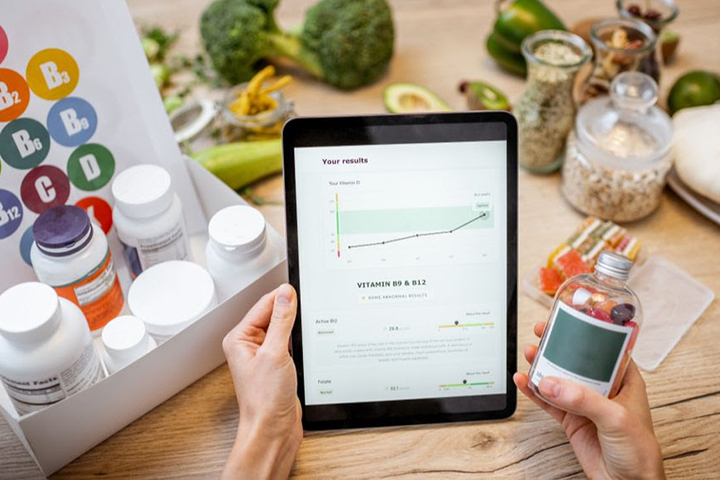
MTHFR variants affect your ability to produce the active forms of folate needed for neurotransmitter synthesis and DNA repair in the brain. If you have MTHFR variants, standard B vitamins may not work, and you’ll need methylated forms.
Understanding your genetic blueprint allows for precision brain health interventions instead of generic recommendations that may not work for your unique biology.
The Essential 3: Brain-Protective Supplements That Actually Work
The supplement industry loves to make big promises about brain health, but most products are either ineffective or marginally helpful. Based on the research and my clinical experience, here are the three supplements with the strongest evidence for brain protection:
- High-Quality Fish Oil (EPA/DHA): 2-3 grams daily from molecularly distilled sources. DHA makes up 40% of brain fat and is essential for membrane fluidity, neuroplasticity, and reducing brain inflammation. This isn’t optional—it’s foundational for brain health.
- CoQ10 (Ubiquinol form): 100-200mg daily, especially critical if you’re taking statins. CoQ10 is essential for mitochondrial energy production in brain cells. Statins deplete CoQ10 levels, which can contribute to cognitive side effects and brain fog. Even if you’re not on statins, CoQ10 declines with age and supplementation supports brain energy metabolism.
- Magnesium Glycinate: 400-600mg daily. Magnesium is involved in over 300 enzymatic reactions in the brain, crucial for memory formation, and most people are deficient. The glycinate form is well-absorbed and doesn’t cause digestive upset.
These three supplements provide the foundation for brain health—cellular energy, anti-inflammation, and essential nutrients for optimal brain function.
Advanced Peptides: The Game-Changing Brain Optimization Tools
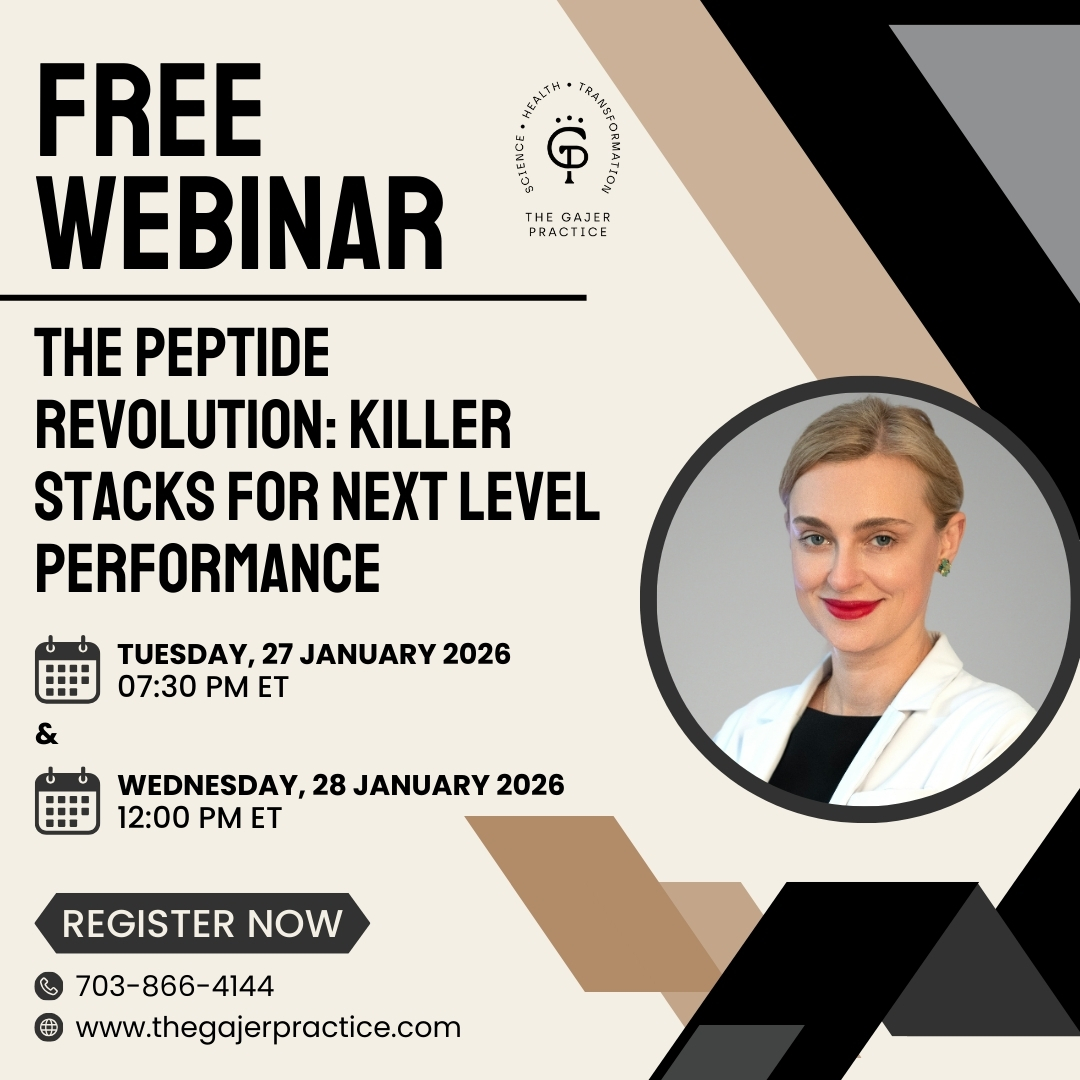
Here’s where we move from good to extraordinary. At The Gajer Practice, we offer three remarkable peptides that represent the absolute cutting edge of brain health and cognitive optimization:
Selank is a breakthrough synthetic peptide with powerful anti-anxiety and cognitive-enhancing properties. Unlike traditional medications that impair cognitive function, Selank actually enhances it while reducing stress. It modulates GABA and serotonin systems, creating a state of calm focus that’s perfect for high-performance individuals. Patients report dramatically improved stress resilience, emotional regulation, and learning capacity. This isn’t just stress relief—it’s stress optimization.
Semax is perhaps the most powerful neuroprotective peptide available. It increases BDNF (brain growth factor), improves cerebral circulation, and provides both immediate and long-term cognitive enhancement. Originally developed for stroke recovery, healthy individuals use Semax for superior memory formation, increased mental stamina, and enhanced neuroplasticity. It’s like giving your brain a direct upgrade.
Epitalon represents the frontier of longevity medicine. This tetrapeptide activates telomerase, literally extending the life of your brain cells at the chromosomal level. Beyond its anti-aging properties, Epitalon provides neuroprotection, dramatically improves sleep quality (essential for brain detoxification), and may help maintain cognitive function as we age. It’s cellular-level brain insurance.
These peptides represent personalized medicine at its finest—targeted interventions based on your specific needs and goals rather than one-size-fits-all approaches. The results patients experience with these advanced peptides often exceed what’s possible with conventional treatments alone.
The Brain-Healthy Diet That Actually Tastes Good
Forget restrictive diets that make you miserable. The most brain-protective eating pattern is also one of the most delicious: the Mediterranean diet, with some modifications for optimal brain health.
The foundation: Olive oil as your primary fat, plenty of colorful vegetables, wild-caught fish, nuts, seeds, and moderate amounts of organic berries.
Brain-specific additions:
- Blueberries 3-4 times per week (anthocyanins cross the blood-brain barrier)
- Wild-caught salmon twice weekly (EPA and DHA)
- Walnuts daily (ALA omega-3s and vitamin E)
- Dark leafy greens daily (folate and antioxidants)
- Turmeric with black pepper (curcumin absorption)
What to limit or avoid:
- Ultra-processed foods (promote inflammation)
- Excessive sugar (damages blood-brain barrier)
- Trans fats (disrupt cell membranes)
- Excessive alcohol (neurotoxic in large amounts)
For ApoE4 carriers: Strictly limit saturated fat to under 15 grams daily and emphasize omega-3 rich foods.
The Sleep and Stress Connection
Your brain literally cleans itself while you sleep through the glymphatic system—a waste clearance system that’s most active during deep sleep. Poor sleep doesn’t just make you tired the next day; it allows toxic proteins like amyloid-beta to accumulate in your brain.
Non-negotiable sleep targets:
- 7-9 hours nightly
- Consistent sleep and wake times
- Cool, dark sleeping environment
- No screens 1 hour before bed
- Consider a sleep study if you snore or have sleep apnea
Stress management is equally critical. Chronic stress floods the brain with cortisol, which damages the hippocampus (memory center) and impairs neuroplasticity. This isn’t optional—it’s essential for brain health.
Your Brain Health Action Plan
If you’re in your 40s or 50s: This is your optimal intervention window. Start with hormone optimization (especially for women), establish a consistent exercise routine, optimize your diet, and consider genetic testing to personalize your approach.
If you’re in your 60s or 70s: It’s not too late! Focus on the fundamentals—exercise, nutrition, sleep, and stress management—while considering more targeted interventions based on your current cognitive status and risk factors.
If you’re in your 30s or younger: You’re in the enviable position of primary prevention. Establish brain-healthy habits now, and they’ll pay dividends for decades.
The Investment That Defines Your Future
Here’s the bottom line: the brain you have in your 70s and 80s is being shaped by the choices you make today. Every workout, every healthy meal, every good night’s sleep, every stress management session is an investment in your future cognitive capacity.
I’ve seen 80-year-olds with sharper minds than some 50-year-olds. I’ve seen patients reverse cognitive decline they thought was inevitable. I’ve seen people maintain creativity, wisdom, and mental agility well into their 90s.
The difference isn’t luck or genetics alone—it’s intentional, consistent investment in brain health using the most advanced tools available.
Ready to unlock your brain’s full potential?
Contact The Gajer Practice today to discuss:
- Comprehensive genetic testing to understand your unique brain health blueprint (ApoE4, COMT, MTHFR, and more)
- Advanced peptide therapies including Selank, Semax, and Epitalon for cognitive optimization
- Personalized brain health protocols based on your genetics, hormones, and health goals
- Hormone optimization for brain protection, especially critical for women in their 40s and 50s
This isn’t just about preventing decline—it’s about optimizing cognitive performance and building a brain that can serve you brilliantly for decades to come.
Click Here to Schedule Your Consultation Today
Your 80-year-old self will thank you for the investment you make right now.
Remember: the best time to start was 20 years ago. The second-best time is today.
To your health,
Dr. Aleksandra Gajer