Hi reader,
“I think I need comprehensive testing to figure out why I can’t lose weight.”
I hear this almost daily. People come to me convinced that some hidden hormonal issue, mysterious food sensitivity, or metabolic defect is sabotaging their weight loss. They’re ready to spend thousands of dollars on labs before they even start.
And here’s what I tell them: You probably don’t need all that. At least not yet.
I know that’s not what you expected from a doctor who specializes in optimization. But here’s the truth: most people don’t have a testing problem. They have an execution problem.
Start With What Actually Works
Before we blame your hormones, your gut microbiome, or your genetics, we need to establish whether you‘re actually doing the basics consistently.
Nutrition
Eat whole foods. Get enough protein and fiber. Eliminate sugar and highly processed foods.
That’s it. No calorie counting. No macros obsession. Just:
- Real, whole foods—vegetables, lean proteins, healthy fats, complex carbs
- 0.7-1 gram of protein per pound of body weight daily
- Plenty of fiber from vegetables and whole grains
- No sugar, no processed junk, no ultra-palatable foods engineered to make you overeat
When you eliminate the processed garbage and eat real food with adequate protein and fiber, your body starts regulating appetite naturally. You‘re satisfied. You stop thinking about food constantly. Weight loss becomes sustainable.
Strength Training
3-4 times per week, full body, progressive resistance.
This isn’t optional. Muscle is metabolically active tissue that burns calories at rest, improves insulin sensitivity, and determines how your body looks as you lose fat. Plus, remember my blog about muscle mass and longevity? You‘re building the foundation for long-term health.
Add daily movement—walking, biking, whatever you enjoy. Thirty to sixty minutes most days.
Sleep
7-9 hours nightly.
Poor sleep disrupts your hunger hormones, increases cortisol, impairs insulin sensitivity, and makes you crave junk food. You cannot out-diet chronic sleep deprivation.
Stress Management
Chronic stress will absolutely sabotage weight loss.
Elevated cortisol promotes abdominal fat storage, disrupts sleep, increases cravings, and impairs insulin sensitivity. Meditation, therapy, breathwork, time in nature—whatever works for you. But this isn’t optional.
If these four things aren’t dialed in, no amount of testing will fix your problem.
Understanding Your Obesity Phenotype
Before we even talk about testing, let’s talk about understanding your specific pattern of weight gain. Not everyone’s obesity looks the same, and the approach that works for one person might not work for you.
There are several obesity phenotypes:
Metabolic syndrome phenotype: Central obesity, elevated blood sugar, high triglycerides, insulin resistance. You need a focus on improving insulin sensitivity—which is where GLP-1s can be transformative, along with eliminating processed carbs and sugar.
Stress/cortisol-driven phenotype: Weight gain during stressful periods, trouble sleeping, anxiety, central fat accumulation—especially around the middle. You need stress management and sleep optimization as much as dietary changes. Your cortisol is likely driving fat storage no matter what you eat.
Hormonal phenotype: Weight gain coinciding with perimenopause, menopause, andropause (yes, men go through it too), or thyroid issues. Classic signs include fatigue, cold intolerance, mood changes, low libido, and difficulty losing weight despite good efforts. This is when hormone testing becomes essential.
Genetic/set point phenotype: Been overweight since childhood, strong family history of obesity, multiple failed diet attempts. You may benefit most from GLP-1s to reset appetite signals and create sustainable change, because your body’s set point is fighting you.
Sarcopenic obesity: Low muscle mass with high body fat, often in older adults or people who’ve done chronic cardio without strength training. You need to build muscle through resistance training while losing fat. Protein intake is critical, and testosterone or growth hormone optimization may be necessary.
Understanding your phenotype helps us target interventions more effectively. And often, just paying attention to your pattern tells us what we need to know without extensive testing.
The GLP-1 Game-Changer
Let’s talk about what’s revolutionized weight loss: GLP-1 receptor agonists.
These medications work on multiple pathways—they reduce appetite and food noise, slow gastric emptying so you feel full longer, improve insulin sensitivity, and help break the cycle of emotional and boredom eating.
For many people, GLP-1s make sustainable weight loss finally possible—not because they’re magic, but because they remove the constant mental battle with hunger and cravings.
When appetite regulation is working properly, eating whole foods and skipping the processed junk becomes actually doable instead of a constant struggle.
I use GLP-1s strategically with patients who are doing the basics but still struggling, or who need support to establish better habits. Combined with whole food nutrition, strength training, sleep, and stress management, they’re incredibly effective.
And here’s what I’ve learned: when GLP-1s are working well, we often don’t need extensive testing. The weight comes off, metabolic markers improve, people feel better. Testing becomes relevant when progress stalls despite good adherence.
Understanding How You Make Change Happen
Here’s something most doctors ignore but that matters enormously: understanding how you actually create and sustain behavioral change.
Gretchen Rubin’s Four Tendencies framework is incredibly useful here:
Upholders respond to both outer and inner expectations. You do well with clear plans and self-imposed rules. Structured meal plans and workout schedules work for you.
Questioners need to understand the “why” before committing. Once convinced something makes sense, you‘re all in. You need the rationale behind every recommendation.
Obligers respond to outer expectations but struggle with inner ones. You need accountability—regular check-ins with me, a workout buddy, external commitment. You‘ll skip your own workout but never miss one with a friend.
Rebels resist both outer and inner expectations and value freedom. Rigid plans backfire. You need flexibility, variety, and autonomy in your approach.
When I work with patients, understanding their tendency helps me structure a plan that actually works for them.An Obliger needs weekly accountability. A Rebel needs options and flexibility. A Questioner needs data and explanations.
This isn’t personality fluff—it’s practical framework for implementing sustainable change.
Why Our Program Works: Relationship-Focused Health Coaching
Here’s the difference between what I offer at The Gajer Practice and what you‘ve tried before:
This isn’t a program where you get a prescription and disappear. This is relationship-focused, personalized health coaching.
You‘re not handed a generic meal plan and sent on your way. You work directly with me and our health coaching team. We get to know you—your life, your challenges, your habits, your phenotype, your tendency type, what’s worked before, what hasn’t, and why.
We meet regularly. We adjust in real-time. We troubleshoot obstacles as they come up. We celebrate wins. We address setbacks without judgment.
This is why our patients typically lose 20-25 pounds per 12 weeks in our programs. Not because we have some secret formula, but because we’re with you. We’re partners in this. You‘re not doing it alone.
When you hit a rough week, we help you get back on track. When something isn’t working, we pivot. When you need accountability, we provide it. When you need flexibility, we adjust.
This is medicine the way it should be—personalized, relationship-based, and focused on sustainable results.
When Testing Becomes Essential
You‘re eating whole foods with plenty of protein and fiber. No sugar, no processed junk. You‘re strength training consistently. You‘re sleeping 7-8 hours. You‘re managing stress. Maybe you‘re on a GLP-1. You‘re working with our health coaching team.
You‘ve been consistent for 8-12 weeks.
And you‘re still not losing weight, or you‘ve hit a plateau.
Now we test.
The Hormone Panel That Matters
When I test hormones for weight loss, I’m looking at four key areas:
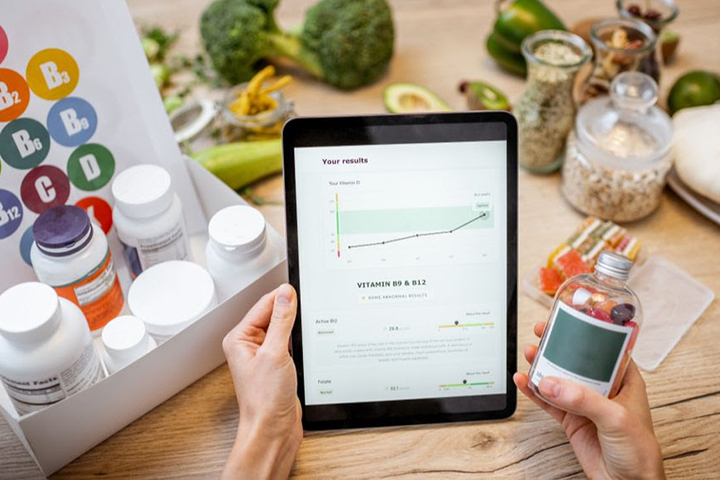
Insulin Resistance This is often the hidden barrier. You can be eating well and still have insulin resistance that prevents fat loss. We check fasting insulin, fasting glucose, and hemoglobin A1C. If insulin resistance is present, it must be addressed—often with medications like metformin or GLP-1s in addition to dietary changes.
Thyroid Full panel—not just TSH, but Free T3, Free T4, Reverse T3, and thyroid antibodies. Subclinical hypothyroidism or conversion issues can completely stall weight loss. If you‘re fatigued, cold, losing hair, and can’t lose weight despite solid efforts, thyroid is likely involved.
Cortisol If stress is clearly a factor—you‘re anxious, sleep-deprived, carrying weight around your middle despite doing everything right—we test cortisol. Usually morning cortisol or a four-point salivary test. Chronically elevated cortisol makes fat loss nearly impossible.
Sex Hormones For women in perimenopause or menopause, declining estrogen and progesterone make weight loss dramatically harder. For men, declining testosterone (which starts in the 30s and accelerates after 40) contributes to increased fat storage, difficulty building muscle, fatigue, and reduced metabolic rate.
We test estradiol, progesterone, and testosterone in women. Total and free testosterone in men.
Testosterone is particularly crucial for both sexes. Low testosterone contributes to difficulty building muscle, increased fat storage, reduced metabolic rate, low energy, and decreased libido. If you‘re doing everything right and can’t build muscle or lose fat, low testosterone is often the culprit.
Optimizing for Muscle and Fat Loss
Weight loss isn’t just about losing pounds—it’s about losing fat while building or preserving muscle.
If you‘re struggling to build muscle despite strength training and adequate protein, we optimize testosterone. For women with low levels, bringing testosterone to physiologic range can dramatically improve muscle building, fat loss, energy, and libido. For men, testosterone replacement therapy can be transformative—not just for body composition, but for overall vitality, mood, and quality of life.
If your IGF-1 is low (a marker of growth hormone activity), Sermorelin can be game-changing. It stimulates your body’s own growth hormone production, improving body composition, muscle building, recovery, fat loss (especially stubborn visceral fat), and sleep quality.
This is particularly relevant for the sarcopenic obesity phenotype—people with low muscle mass and high body fat. You can’t just diet your way out of this. You need to build muscle, and that often requires hormonal optimization.
This isn’t about becoming a bodybuilder. It’s about optimizing the hormones that support healthy body composition and make your nutrition and training efforts actually work.
Gut Health and Food Sensitivities
Most people don’t need gut testing initially. But if you‘re dealing with persistent bloating, digestive issues, or inflammation—or you‘ve optimized everything else and still aren’t seeing results—gut health testing can reveal important barriers.
Food sensitivity testing can identify foods causing inflammatory responses that sabotage weight loss. Sometimes removing a few key triggers makes all the difference.
Comprehensive stool analysis can identify bacterial imbalance, low digestive enzymes, inflammation, or infections that impair metabolism.
I don’t start here because fixing the basics—with support and coaching—often resolves these issues. But when symptoms persist or weight loss stalls despite optimization, testing provides valuable direction.
What This Looks Like in Practice
Real example (details changed): Mike, 52, came wanting comprehensive testing. He’d gained 30 pounds over three years and was convinced something was hormonally wrong.
I asked about habits. He was eating “pretty clean” but lots of processed “health foods,” inadequate protein, some exercise but no real strength training, sleeping 6 hours, stressed from work.
I didn’t test anything initially. We shifted to whole foods, eliminated processed junk and sugar, significantly increased protein, started a proper strength training program, worked on sleep, addressed stress. Started a GLP-1 for appetite support.
But here’s the key: Mike worked with our health coaching team. Weekly check-ins. Accountability. Troubleshooting obstacles. Celebrating progress. When he had a rough week, we got him back on track. When travel disrupted his routine, we adjusted.
Twelve weeks later, he’d lost 23 pounds, was sleeping better, felt stronger, had more energy. No testing needed. Just solid execution with consistent support.
At six months, he’d lost another 12 pounds but then plateaued despite continued good habits. Now we tested.
His thyroid was fine. But his testosterone was low (total testosterone 280—well below optimal), and he had mild insulin resistance we’d missed. We started testosterone replacement therapy and adjusted his nutrition approach.
Over the next four months, he lost the final stubborn pounds, built visible muscle, his energy and libido returned, and he felt like himself again. The testing mattered—but only after we’d built the foundation with consistent support and coaching.
The Bottom Line
You don’t need extensive testing to start losing weight.
Eat whole foods with plenty of protein and fiber. Eliminate sugar and processed junk. Strength train. Sleep enough. Manage stress. Consider GLP-1s if appetite regulation is your barrier. Understand your obesity phenotype and habit type, and design your approach accordingly.
But here’s what makes the difference: you need support. You need coaching. You need a relationship with someone who’s invested in your success.
That’s what we provide at The Gajer Practice. It’s why our patients typically lose 20-25 pounds per 12 weeks—not because we have magic pills, but because you‘re not doing this alone.
If you‘re making progress with support and coaching, keep going. You don’t need testing—you need patience and consistency.
But if you‘ve done everything right with our support and you‘re stuck, then we test strategically. Insulin resistance, thyroid, cortisol, sex hormones. IGF-1 for growth hormone assessment. Gut health if needed.
Then we optimize based on what we find—addressing insulin resistance, thyroid replacement if needed, hormone replacement therapy, testosterone optimization, Sermorelin, targeted gut interventions.
This is how you lose weight effectively without wasting time and money on tests that won’t change anything.
Weight loss doesn’t have to be complicated. But it does require support, relationship, and strategic intervention when needed.
Ready to lose weight the right way—with actual support?
Schedule a consultation with Dr. Gajer at The Gajer Practice. You‘ll work directly with me and our health coaching team. We’ll assess your obesity phenotype, understand your habit type, create a personalized plan, and provide the ongoing support that makes sustainable weight loss actually achievable.
Most patients lose 20-25 pounds in their first 12 weeks. Because you‘re not doing this alone.
Let’s do this together.
Dr. Gajer
The Gajer Practice