Hello reader,
On November 10, 2025, the FDA announced it would remove the black box warning from hormone replacement therapy products for menopause. After 23 years of fear-mongering, restrictive guidelines, and millions of women suffering unnecessarily, the agency finally admitted what many of us in functional and integrative medicine have been saying for over two decades:
They got it wrong.
I wish I could say I felt vindicated. Instead, I feel heartbroken for the countless women who walked into their doctors’ offices over the past 23 years seeking help – women who were suffering, who had been told hormones were “too dangerous,” who endured hot flashes, sleepless nights, brain fog, weight gain, loss of libido, depression, and declining bone health because the medical establishment was operating on flawed data and groupthink.
But I also feel hopeful. Because finally – FINALLY – we can have honest, evidence-based conversations about hormone therapy without the stigma and fear that have dominated women’s healthcare since 2002.
What Happened in 2002 – And Why It Was Wrong
In 2002, the Women’s Health Initiative study was halted early, and researchers announced that hormone replacement therapy increased the risk of breast cancer, heart attacks, and strokes. The media exploded with alarming headlines. Women panicked. Doctors stopped prescribing HRT overnight.
I was in pre-medical training during this time. I watched as the pendulum swung violently from “all women should take hormones” to “all women should avoid hormones at all costs.” Neither extreme was correct.
The study was fundamentally flawed:
They studied the wrong population – women averaging age 63, more than a decade past menopause, not women starting HRT at menopause onset.
They used outdated formulations – oral horse-derived estrogens and synthetic progestins, not bioidentical hormones or transdermal options.
They ignored timing – we now know that when you start HRT matters enormously. Starting within 10 years of menopause has completely different effects than starting late.
They overstated risks and buried benefits – a small increase in breast cancer diagnosis (not death) was sensationalized, while profound benefits for heart disease, Alzheimer’s, bone health, and quality of life were dismissed.
Despite experts pointing out these flaws almost immediately, the damage was done. The FDA placed a black box warning on all estrogen products in 2003. And for 23 years, women paid the price.
The Women Who Deserved Better
I think about the patients who came to me after being dismissed by other physicians:
Sarah, 51, after three years of debilitating hot flashes and insomnia. Her previous doctor told her hormones were “too risky” and prescribed an antidepressant instead. She didn’t need an antidepressant – she needed her hormones back. Within three months of starting bioidentical HRT, she was sleeping through the night, her hot flashes vanished, and she felt like herself again.
Jennifer, 48, a brilliant attorney convinced she had early Alzheimer’s because of severe brain fog. Her doctor ran cognitive tests and told her it was “just stress.” It wasn’t stress – it was estrogen deficiency. Two months after starting HRT, her cognitive function was completely restored. Twelve years later, she’s still thriving, and her Alzheimer’s risk is 35% lower because she started HRT when she did.
Maria, who stopped her hormones in 2003 after the frightening headlines. Her doctor supported the decision, saying it was “safer.” Within a year, she’d lost 2 inches of height from vertebral compression fractures due to rapid bone loss. When she came to me at 68 wanting to restart, much of the damage was already done.
These stories aren’t rare. They represent millions of women who were denied effective treatment based on bad science.
For 23 years, well-meaning doctors have been telling women to “tough it out,” prescribing antidepressants for hormone deficiency, and watching their patients suffer – all while believing they were protecting them.
What the Evidence Actually Shows
The FDA’s decision to remove the black box warning isn’t arbitrary. It’s based on decades of research that clarified what the WHI got wrong.
Here’s what we now know with confidence:
For women starting HRT before age 60 or within 10 years of menopause:
- 50% reduction in heart attack risk – estrogen protects blood vessels when started at the right time
- 35% reduction in Alzheimer’s risk – estrogen is profoundly neuroprotective
- 50-60% reduction in bone fractures – estrogen prevents the rapid bone loss of menopause
- Reduction in all-cause mortality – women on appropriate HRT live longer, healthier lives
- Dramatic improvement in quality of life – hot flashes, sleep, mood, energy, libido all improve
Regarding the feared risks:
The increased breast cancer risk with combined estrogen-progesterone therapy is small – approximately 1-2 additional cases per 1,000 women over 5 years. This is less than the risk from drinking two glasses of wine daily or being overweight. Estrogen-alone therapy (for women without a uterus) does not increase breast cancer risk and may actually reduce it.
The critical variable is timing. Starting HRT at menopause onset is completely different from starting at age 63. When estrogen levels drop at menopause, blood vessels begin to stiffen and lose elasticity. If you start estrogen while vessels are still healthy, it protects them. Wait a decade, and the protective window has closed.
Think of it like maintaining a car. Regular oil changes from the beginning keep the engine healthy. Neglect the car for a decade, and changing the oil later can’t undo the damage already done.
The “window of opportunity” is within 10 years of menopause or before age 60. Start then, and you get profound cardiovascular and neuroprotective benefits.
Beyond Symptom Management
Here’s what frustrates me most: the medical establishment has reduced menopause to “annoying symptoms to endure” rather than recognizing it as a critical health transition requiring medical support.
Estrogen is foundational for women, not optional.
Every organ system has estrogen receptors:
- Brain – supports memory, mood, cognition, sleep
- Heart and vessels – maintains vascular health and flexibility
- Bones – prevents osteoporosis and fractures
- Muscles – supports strength and mass
- Skin – maintains collagen and elasticity
- Urogenital tract – prevents atrophy and dysfunction
- Metabolic system – regulates insulin sensitivity and body composition
When estrogen plummets at menopause, all of these systems are affected. This isn’t just about comfort – it’s about long-term health and longevity.
Women live 6-7 years longer than men, but we spend about 25% of our lives in lower quality health. HRT is one of the most powerful tools we have to change that trajectory.
What I’ve Been Doing – And Why
I never stopped prescribing hormone therapy to appropriate candidates.
Not because I’m reckless, but because I read the studies – all of them, not just the sensationalized headlines. I learned from menopause experts who were desperately trying to correct the record. And I listened to my patients – women who came to me miserable after being told by other doctors to “just deal with it” or take antidepressants for what was clearly hormone deficiency.
I prescribed hormones thoughtfully and appropriately to women who were good candidates. I used bioidentical hormones when possible. I prescribed transdermal estrogen to avoid first-pass liver metabolism. I used micronized progesterone instead of synthetic progestins. I started women at menopause onset, not years later.
And they thrived.
What Every Woman Deserves to Know
If you’re in perimenopause or menopause and struggling, please understand:
You don’t have to suffer. Hot flashes, brain fog, sleep disruption, weight gain, loss of libido, mood changes – these aren’t “just part of aging” you have to accept. They’re signs of hormone deficiency that can be treated.
Hormone therapy is safe for most women. When started at the right time (before 60 or within 10 years of menopause), the benefits far outweigh the risks. The black box warning that scared you was based on flawed data.
You deserve individualized care. There’s no one-size-fits-all approach. Your history, symptoms, and preferences matter. But the default should not be “avoid hormones at all costs.”
Bioidentical hormones are evidence-based medicine. They’re hormones molecularly identical to what your body makes. This isn’t alternative medicine – it’s biochemistry.
Vaginal estrogen is incredibly safe. If you have vaginal dryness, urinary symptoms, or recurrent UTIs, local vaginal estrogen is safe and effective at any age. It should never have had a warning label.
You’re not being vain or weak for wanting to feel good. Quality of life matters. Vitality matters. Feeling like yourself matters. Stop apologizing for wanting to thrive.
For Women Who Want to Perform at Their Peak
I work with driven women – executives, entrepreneurs, physicians, attorneys – women who can’t afford brain fog, energy crashes, or declining function.
For high-achieving women over 40, hormone optimization is essential for peak performance.
I’ve watched brilliant women think they were “losing their edge” when they were simply missing hormonal support. The right hormone therapy doesn’t just eliminate symptoms – it restores the cognitive sharpness, energy, physical strength, and resilience needed to perform at the highest level.
But it’s not just about the next 5-10 years. It’s about the next 30-40.
Starting HRT at menopause and continuing appropriately sets women up for healthier cardiovascular systems, sharper cognitive function, stronger bones, better metabolic health, and preserved muscle mass and strength.
This is longevity medicine. This is performance medicine. This is root-cause medicine.
And for 23 years, women have been told they couldn’t have it because of overblown fear based on bad science.
What Needs to Change
The FDA removing the black box warning is enormous progress. But it’s not enough.
We need better physician education – most doctors were trained post-2002 and genuinely believe HRT is dangerous.
We need more menopause specialists – only about 2,000 certified practitioners for 50+ million menopausal women.
We need insurance coverage without barriers and prior authorizations.
We need research funding – women’s health has been chronically underfunded.
We need cultural change – menopause deserves medical attention and support, not silence.
Most importantly, we need to acknowledge the harm done. Millions of women suffered unnecessarily. That matters.
Moving Forward
I’m hopeful that more women will now feel empowered to ask their doctors about HRT without fear.
I’m hopeful that more doctors will educate themselves on the actual evidence and start prescribing appropriately.
I’m hopeful that the next generation of women won’t have to fight as hard for effective treatment.
But changing medical culture takes time. There will still be hesitant doctors, insurance barriers, and lingering fear.
That’s why women need to advocate for themselves and each other.
My Approach to Hormone Optimization
In my practice, I provide:
Comprehensive assessment – detailed symptom evaluation, complete hormone panels (estradiol, progesterone, testosterone, DHEA, thyroid), personal and family history, individual risk factors and goals, quality of life assessment
Personalized hormone therapy – bioidentical hormones when appropriate, transdermal estrogen to avoid first-pass liver metabolism, micronized progesterone instead of synthetic progestins, testosterone replacement if deficient (critical for energy, libido, muscle, and mood), individualized dosing based on symptoms and labs
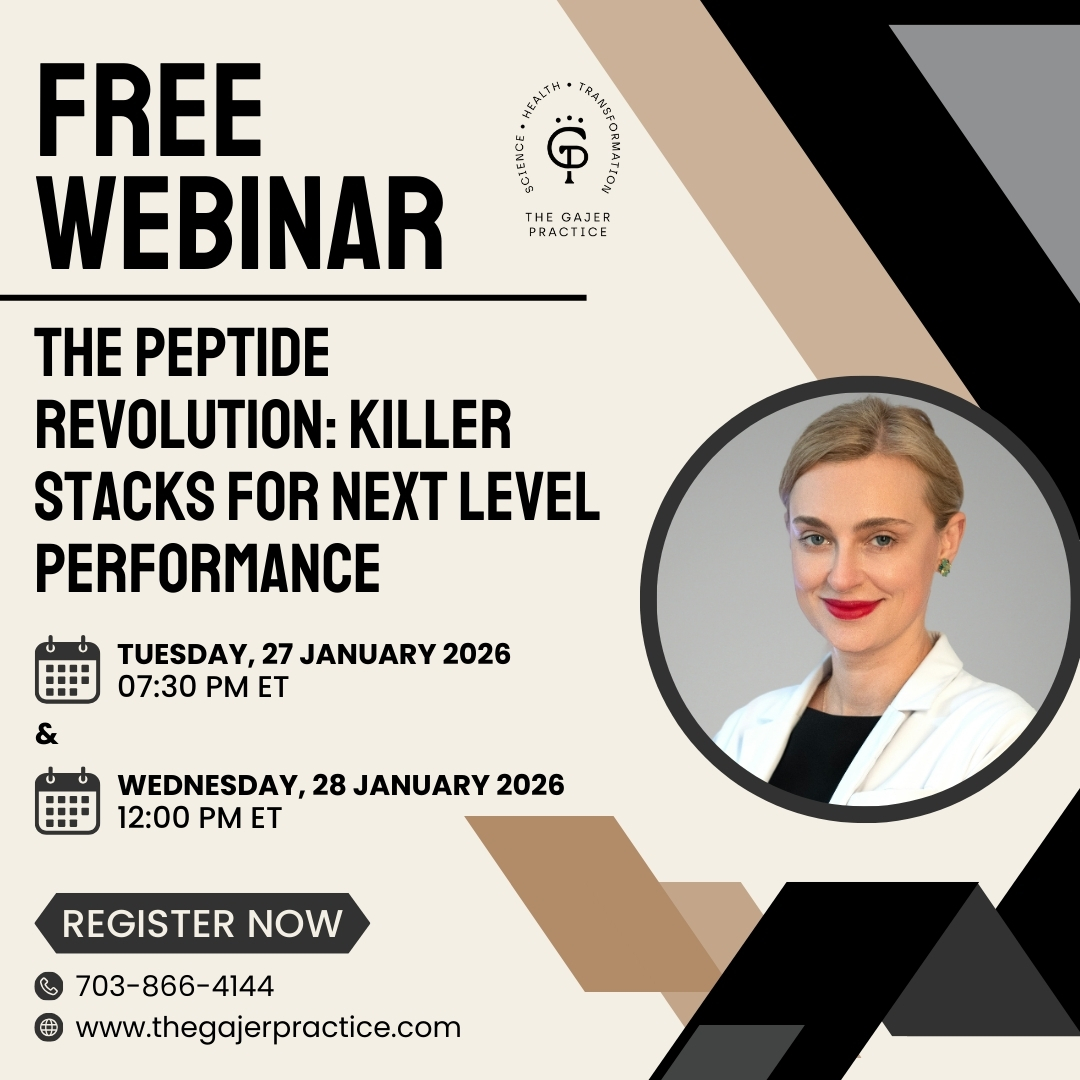
Beyond hormones: Peptide therapy when needed – Here’s something most doctors don’t tell you: it’s not just your hormones that decline after 40. Your body also stops producing beneficial peptides at the same rate. Peptides are short chains of amino acids that act as cellular messengers, telling your body how to heal, repair, recover, and regenerate.
When hormone therapy alone doesn’t fully optimize recovery, body composition, cognitive function, or tissue repair, targeted peptide therapy can fill those gaps. I use peptides for:
- Enhanced recovery and tissue healing (especially important for active women)
- Improved body composition and metabolic function
- Cognitive enhancement and neuroprotection
- Gut healing and immune support
- Skin, hair, and connective tissue health
- Overall longevity and cellular regeneration
Think of it this way: hormones provide the foundation, but peptides offer the precision tools for optimization. Together, they create a comprehensive approach to performance and longevity medicine.
Ongoing optimization – regular monitoring and lab adjustments, integration with nutrition, exercise, stress management, and sleep, long-term health optimization rather than just symptom management
Education and empowerment – patients understand their treatment and why they’re taking what they’re taking, clear discussions of benefits and risks, shared decision-making, no fear-based medicine
This is precision medicine. This is how hormone and peptide optimization should be approached – as complementary tools to support your body’s natural biology as it changes over time.
To Women Who’ve Been Waiting
If your doctor dismissed your symptoms – find a doctor who listens. You deserve better.
If you’re on the fence about HRT – the FDA just validated what many of us have known all along: for most women, at the right time, hormone therapy is safe and beneficial.
If you’re currently struggling through perimenopause or menopause – you don’t have to. There are options. You deserve to feel good.
The Bottom Line
For 23 years, women have been told to suffer through menopause because hormones were “too dangerous.” Doctors who knew better faced pressure to conform. Women who asked for help were dismissed or frightened into accepting unnecessary suffering.
The FDA has now admitted this was wrong.
Hormone therapy, used appropriately, is one of the most powerful tools we have to support women’s health, vitality, and longevity through menopause and beyond.
The last 23 years were a tragedy for women’s health. Let’s make sure the next 23 years are different.
Let’s make sure every woman who could benefit from HRT has access to accurate information, supportive physicians, and personalized care.
Let’s make sure no woman suffers unnecessarily because of outdated dogma.
You deserve to feel amazing at 50, 60, 70, and beyond. That’s not vanity – that’s evidence-based medicine finally catching up to what your body actually needs.
Ready to explore whether hormone optimization is right for you?
Schedule a consultation at The Gajer Practice. I specialize in personalized hormone and peptide therapy for women who refuse to accept “good enough” when it comes to their health and vitality.
The Gajer Practice | Burke, Virginia
Root-Cause Medicine for Driven Individuals